
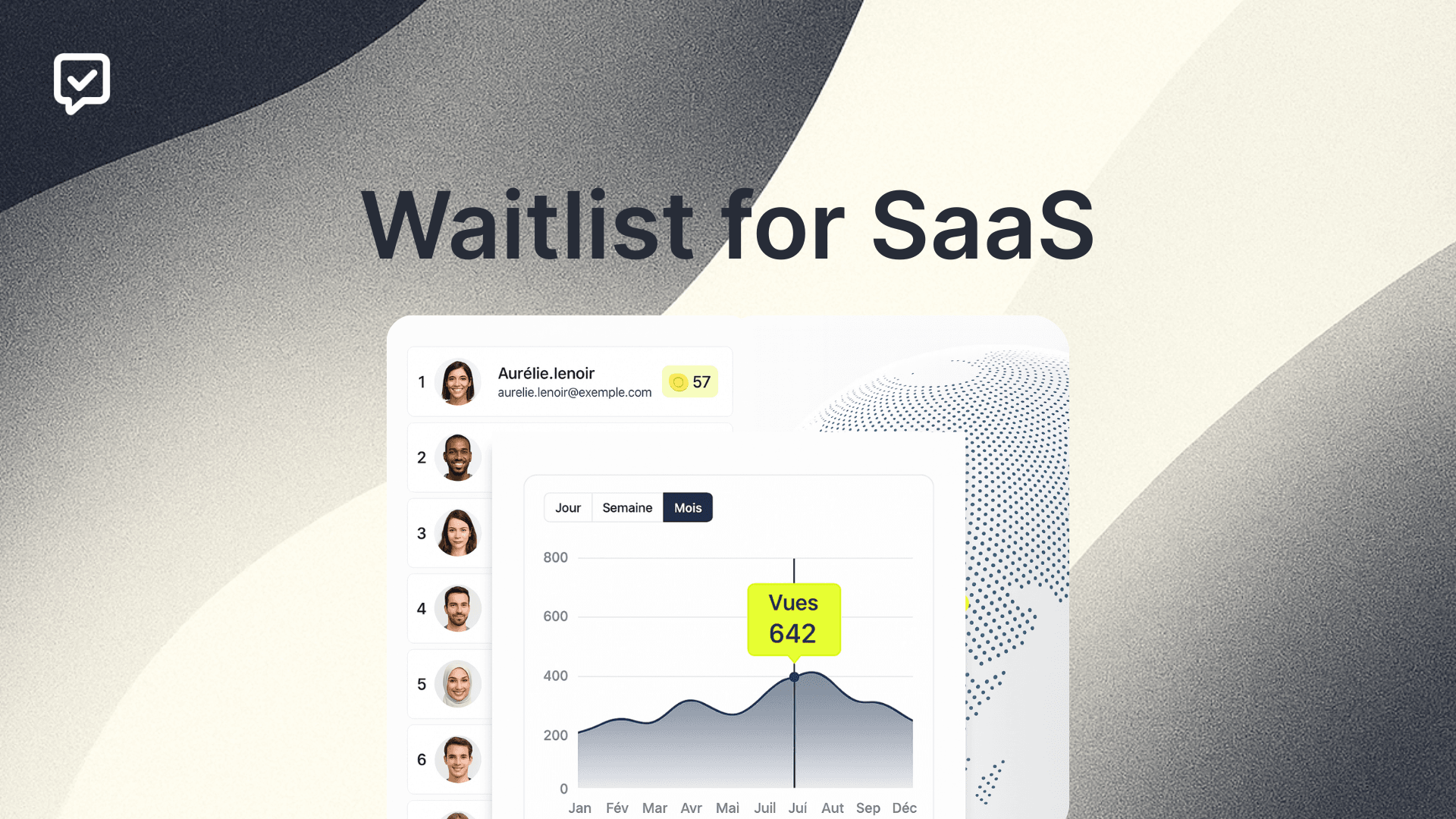
Launching a product is a high-stakes moment for any business. One of the most underestimated tools for making smarter launch decisions is the waitlist, a simple, cost-effective method to measure interest, gather data, and shape your go-to-market approach.
What Is a Waitlist?
A waitlist is a sign-up system that allows potential customers to register their interest in a product before it’s available. It’s often used in the pre-launch phase to create exclusivity, build anticipation, and collect contact information for future marketing.
How a Waitlist Informs Launch Decisions
1. Demand Validation
Before investing heavily in manufacturing, marketing, or development, a waitlist gives you a realistic view of how many people are actually interested in the product. If the list grows quickly, you have a strong early signal that the market is ready. If sign-ups are slow, you can reconsider your value proposition before a costly launch.
2. Target Audience Insights
When setting up a waitlist, you can include optional survey questions to learn about your audience’s demographics, needs, and pain points. This information helps refine product features, pricing, and messaging before launch.
3. Feature Prioritization
Tracking which version or variant of your product people sign up for (if applicable) helps identify the most desired features. For example, if 70% of waitlist members choose the premium tier, you might prioritize developing high-value functionalities first.
4. Pricing Strategy Testing
A waitlist is also a discreet way to test different pricing points with segmented audiences. You can monitor how interest changes when people see different prices, giving you valuable elasticity data without a full-scale market launch.
5. Hype and Scarcity Marketing
The psychological effect of a “limited spot” waitlist can amplify interest. A growing queue not only validates demand internally but can also become a marketing asset, creating urgency and social proof ahead of the official release.
Best Practices for Using a Waitlist Effectively
Keep it simple: Minimize friction in the sign-up process.
Offer a clear value proposition: People should know what they’re signing up for and why it’s worth it.
Communicate regularly: Keep waitlist members engaged with sneak peeks, updates, or beta invitations.
Leverage analytics: Track conversion rates from waitlist to actual purchase to refine forecasts.
Final Thoughts
A waitlist is more than a marketing tool, it’s a decision-making compass. By providing early, actionable data, it reduces the guesswork in product launches, ensuring you go to market with greater confidence and customer alignment.